

Photo copyright © Satyabrata Maiti
DISCLAIMER: I am not trying to repeat information that is available in the public domain. What my intention is to show the readers about our monumental efforts of the kings doing experiments and to conserve the heritage blending architecture, history, and natural beauty that we are supposed to inherit. But unfortunately, it was destroyed by the Mughals invasion. My effort is to encourage people to visit the site in witnessing this beautiful heritage and appreciate the art work of the artisans of our ancient India . Photos, that I am presenting here are not even 10% of what I captured for the limitation of space in a blog. It was a herculean task for me to restrict the number with great dis-satisfaction of missing many.
On 21-Jun-2026, After having breakfast in the hotel, I started from Badami at 9:00 am by Auto Rickshaw to visit Pattadakal which was about 25 km away. Road was passing through very fertile land scape having various crops like sugarcane, groundnut, Jowar, cotton, etc and occasionally having coconut trees.
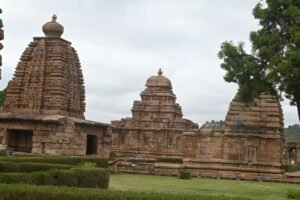
Pattadakal is considered as “The Crown Jewel of Chalukyan Architecture”. It is
situated on the banks of the Malaprabha River in northern Karnataka. Pattadakal is a UNESCO World Heritage Site that exemplifies the magnificence of early temple architecture in India. Known as the “City of Coronation,” it was where the Chalukya kings celebrated their victories and crowned their successors. Today, Pattadakal is a serene village that draws visitors across the world to marvel with its timeless stone temples.
Historical Significance
Pattadakal flourished between the 7th and 9th centuries CE under the Early Chalukyas. Unlike Badami, which served as their capital, Pattadakal was reserved for ceremonial purposes. Its temples reflect a unique blend of Dravidian (South Indian) and Nagara (North Indian) architectural styles, symbolizing cultural unity in diversity.
Architectural Wonders
The Pattadakal temple complex is a treasure trove of stone-carved masterpieces:
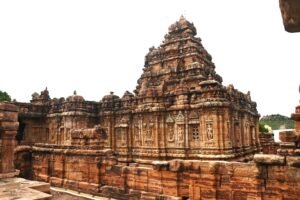
- Virupaksha Temple: Built by Queen Lokamahadevi in the 8th century to commemorate her husband Vikramaditya II’s victory over the Pallavas. Its intricate carvings depict scenes from the Ramayana and Mahabharata.
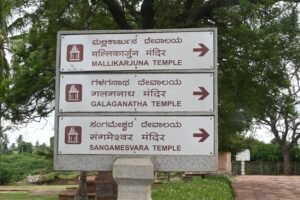
- Mallikarjuna Temple: A smaller but equally elegant shrine beside Virupaksha temple, built by the fellowqueen Trailokaymahadevi.
- Kashi Vishwanatha Temple: Built by Rashtrakutas, it showcases Nagara-style architecture with a curvilinear tower.
- Sangameshwara Temple: One of the earliest temples built by Chalukya king Vijayaditya, reflecting pure Dravidian style.
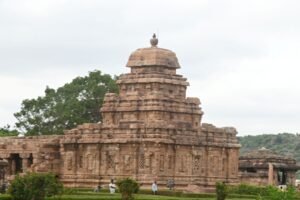
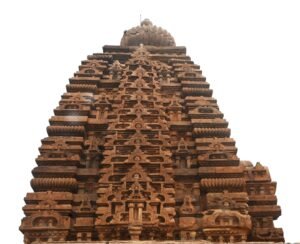
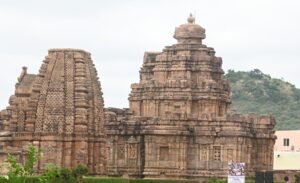
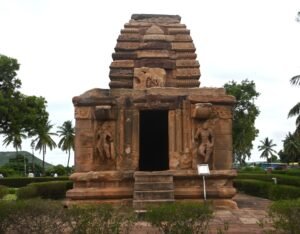
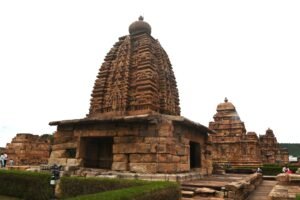
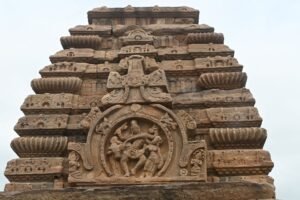
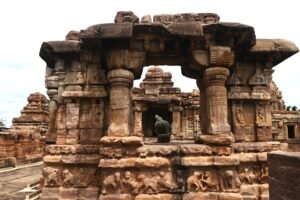
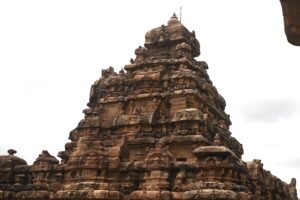
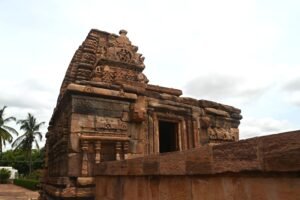
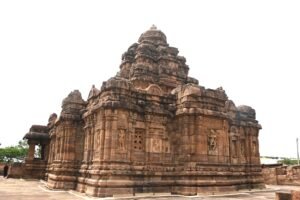
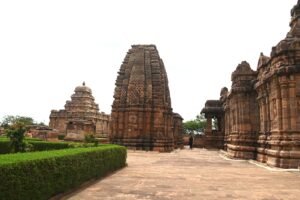
The complex vividly depicts scenes from the epics and a masterpiece of ancient Hindu architecture. Originally comprising of 240 temples; the sprawling site ranks among the world’s most extensive Hindu temples ensembles with its elaborate carvings narrating timeless tales from the Ramayana and other Hindu epics. However, only a few temples are under the cover of ASI and maintained properly.
Vividly depicts scenes from the epics and c masterpieces of ancient Hindu architecture
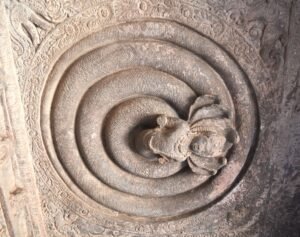
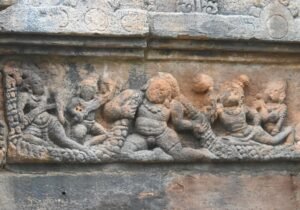
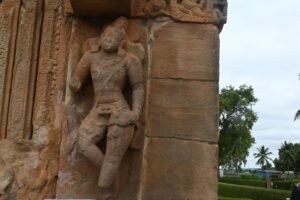
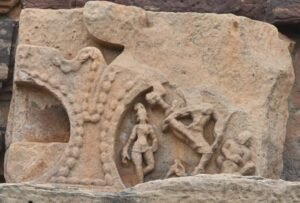
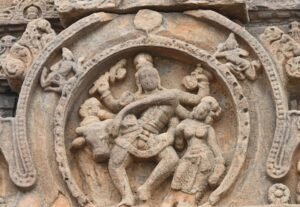
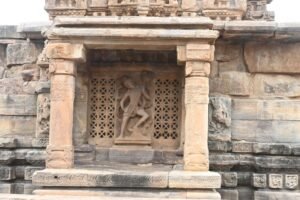
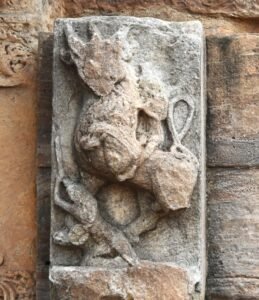
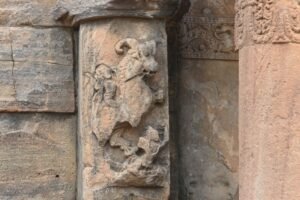
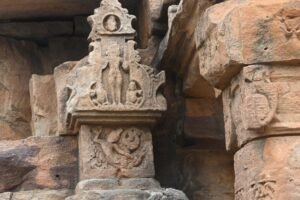
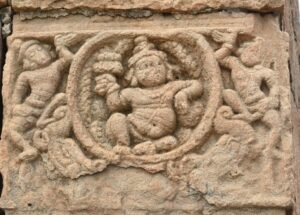
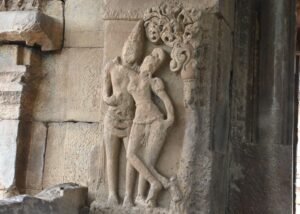
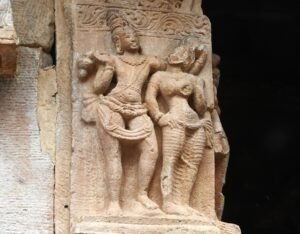
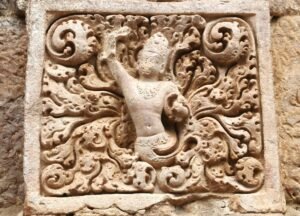
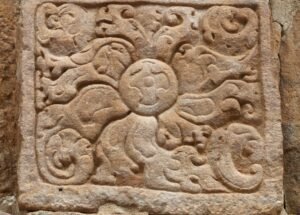
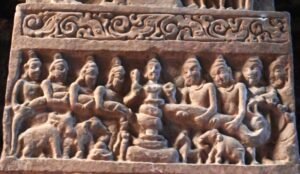
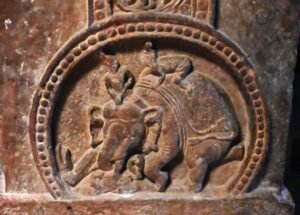
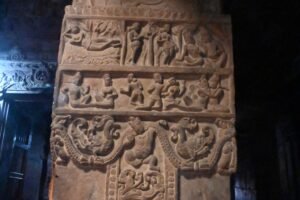
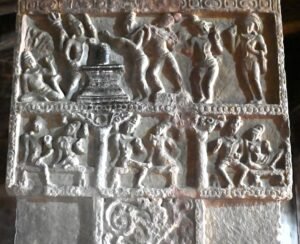
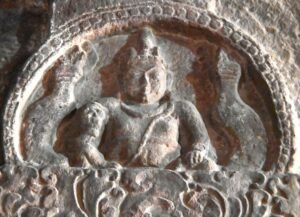
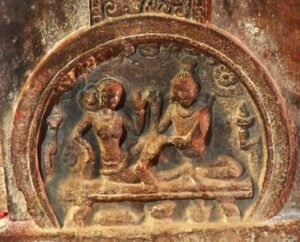
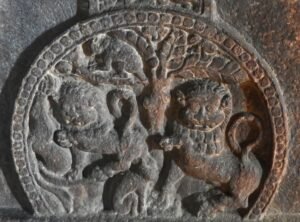
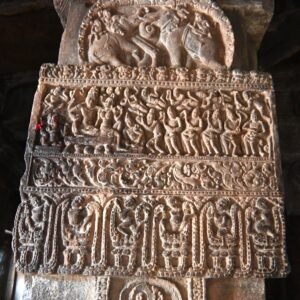
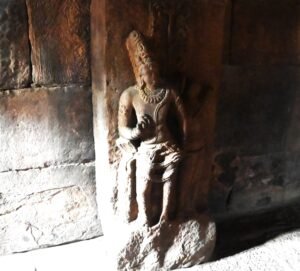
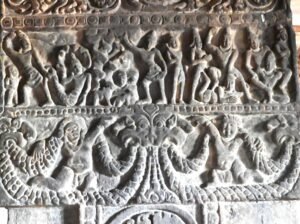
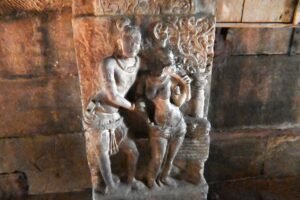
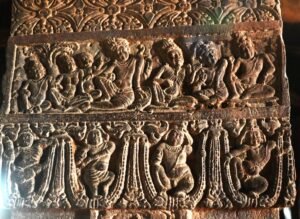
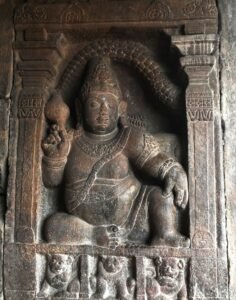
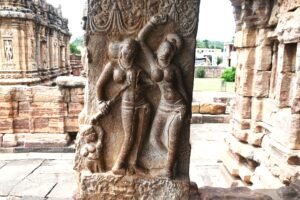
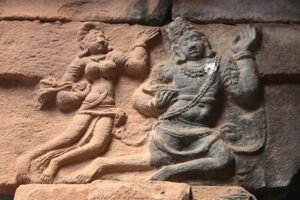
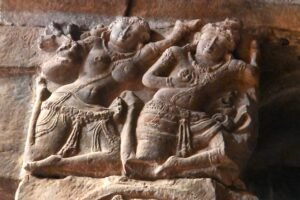
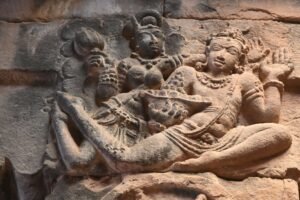
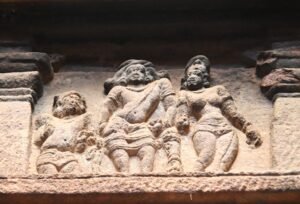
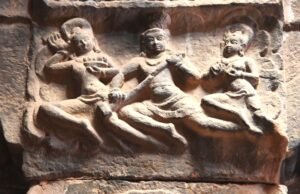
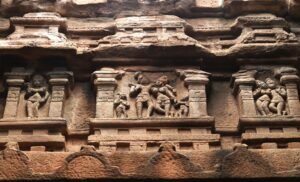
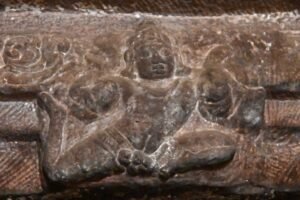
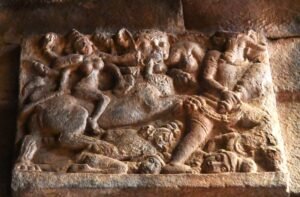
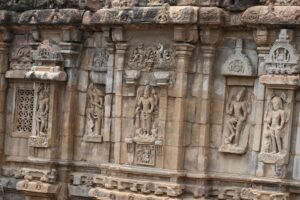
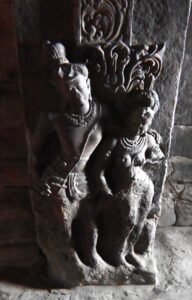
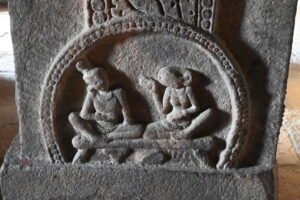
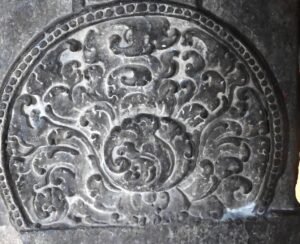
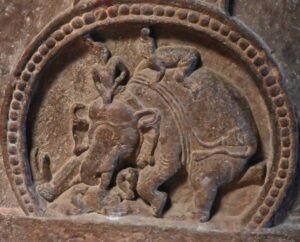
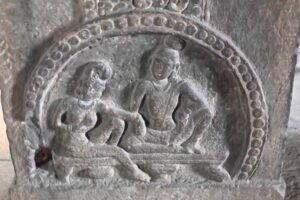
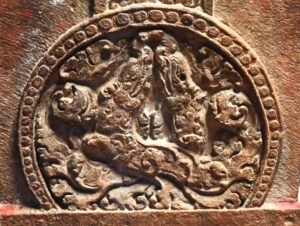
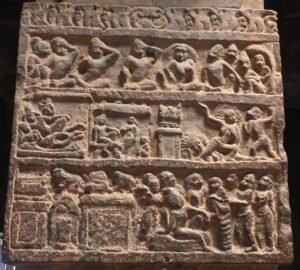
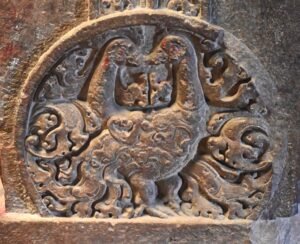
Each temple is adorned with sculptures of gods, goddesses, dancers, and mythical creatures, making Pattadakal a paradise for art lovers.
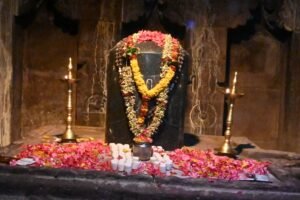
Daily rituals and worship are still performed in Virupaksha Temple, unlike the other temples in the complex.
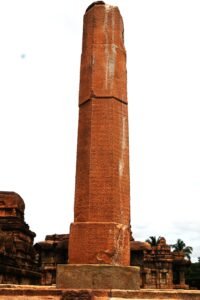
That is the Victory Pillar (locally called Vijayastambha) which stands in front of the Virupaksha Temple, the only temple in the complex where worship continues.
- It is a tall monolithic column, distinct from the temple structures, and serves as a marker of royal achievement.
- The pillar bears Sanskrit inscriptions in Kannada script, recording the victory of King Vikramaditya II over the Pallavas at Kanchipuram in the 8th century CE.
- It also mentions the construction of Virupaksha Temple by Queen Lokamahadevi to commemorate this victory.
- The inscription praises the king’s valor and the queen’s devotion, and names the temple architect Gunda, celebrated as “the foremost builder of the southern country.”
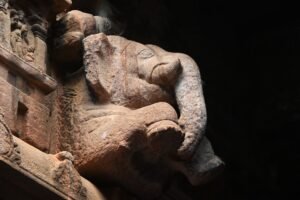
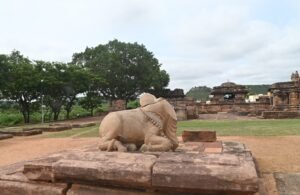
Questions must be raised in the minds of many why worship is abandoned in other temples? Answer is due to brutal damage of temples caused by the Mughal kings ruled subsequently. Here is one example, how cruelly statue of Nandi was beheaded.
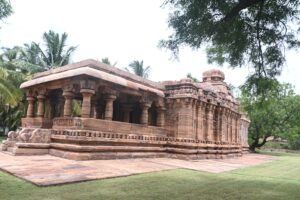
In addition, there was a Jain Tem located slightly away from the main cluster, highlighting the religious tolerance of the Chalukyas.
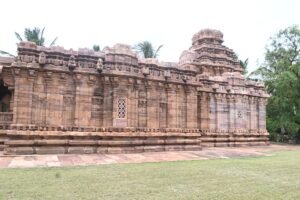
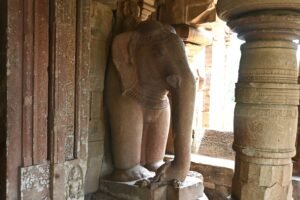
The Malaprabha River adds tranquillity to the site, while the surrounding village life offers glimpses of Karnataka’s rural charm. Festivals and rituals occasionally bring the temples alive, connecting the past with the present.
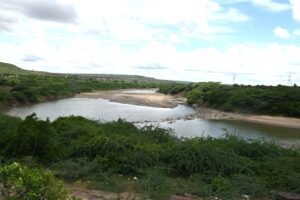
After the visit of Pattadakal complex I went to Jain Temple and from there reached a hotel to have our lunch. We had our meal in Karnataka style starting with salad, Jowar roti with vegetables followed by rice, sambar and a local sweet roti stuffed with groundnut and jagari.The sweet dish was very delicious to have with lot of ghee. The name of the sweet in Kannada is “Shenga holige”.
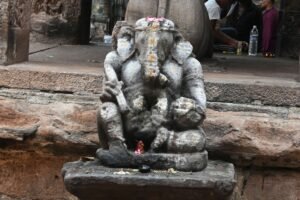
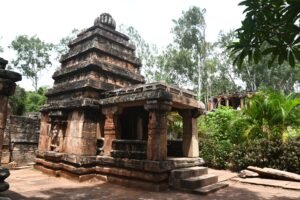
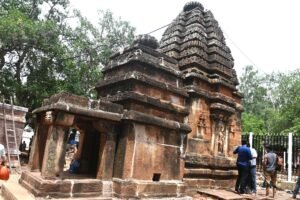
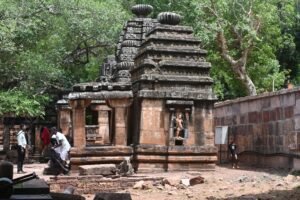
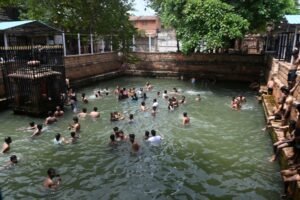
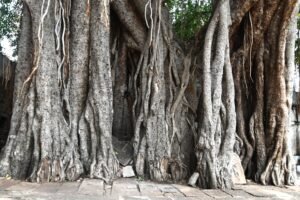
After the lunch we started our journey to Mahakut (Mahakuteswara) Temple complex having main shrine dedicated to Lord Shiva built in the 6th–7th century CE by the Early Chalukyas.. The temple premise was having a large pushkarini (sacred tank) called the Mahakuta Kalyani, which is fed by a natural spring. Pilgrims bathe here during festivals. There were many small temples in the complex and also a big banian tree.
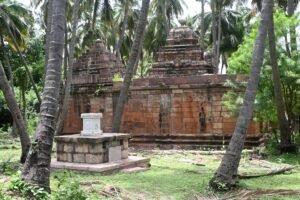
On the way to Mahakut Temple I saw a beautiful temple in a small village almost abandoned but regularly worshiped by the villagers.
After the visit of the temples, I drove back to Badami with a feeling that Pattadakal is not just a cluster of temples—it is a living chronicle of India’s artistic and cultural evolution. Walking through its stone pathways, I could feel the echoes of coronations, victories, and devotion that once defined the Chalukya era. We reached back to my hotel at 4:00 pm.
Jai Bharat!
Satyabrata Maiti

Acknowledgement
My sincere thanks to:
- S. R. Bhat for his very useful and timely suggestion.
- Nazeer for not only taking me in various places but also coming forward to show me out of the track temples.
- Geetha, K. A. for going through the manuscript and offering some very useful suggestions.
References
- Wikipedia
- Online information sources


richly illustrated and engaging account of the historic Pattadakal heritage site.
The descriptions of the temples, sculptures, Victory Pillar, and Mahakut make the journey vivid and interesting.
The author’s passion for preserving India’s ancient heritage is evident throughout the article.
The personal observations, photographs, and local food experience add warmth and authenticity.
A richly illustrated and engaging account of the historic Pattadakal heritage site.
The descriptions of the temples, sculptures, Victory Pillar, and Mahakut make the journey vivid and interesting.
The author’s passion for preserving India’s ancient heritage is evident throughout the article.
The personal observations, photographs, and local food experience add warmth and authenticity.