

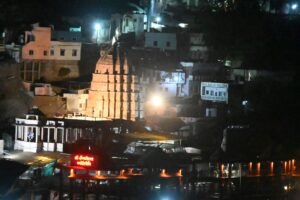
Photo copyright © Satyabrata Maiti
When I shared schedule of my arrival to Dr. Sangit Kumar in Bhopal, he advised me to book my return ticket after about a week since he had planned to take me to visit two Jyotirlingas of Madhya Pradesh, in addition to Rani Ahalya Bai’s place in Maheshwar. This news was showered on me as bonus since it would fulfil my long desire of visiting Mahakaleshwar in Ujjayan. He proposed our travel plan as follows:
- 30-Mar-2026: Leaving Bhopal at 7:00 am to visit Mahakaleshwar at Ujjaian followed by reaching Omkareshwar for night stay at Madhya Pradesh Tourism Hotel.
- 31-Mar-2026: Visiting Omkareshwar temple in the morning followed by visit to Mamleshwar temple. Leaving Mamleshwar at about 10:00 am after breakfast to Maheshwar- visit Maharani Ahalya Bai fort and museum before check in in the Madhya Pradesh Tourism Hotel -Evening going for Narmada Aarati
- 1-Apr-2026: Leaving Maheshwar for Bhopal at about 10:00 am.
I understand that many of Hindus like me do not have clear idea about what is Jyotirlinga and where are these situated in our Bharat. Therefore, let me talk about it a little to bring clarity.
What is a Jyotirlinga?
A Jyotirlinga is a cosmic pillar of fire that is the formless aspect of Lord Shiva. The word Jyoti has many different meanings like flame, light, radiance, brightness, etc. The word linga also has different meanings, but here it means “a symbol or sign.” Therefore, Jyotirlinga means “radiant sign of fire.”
Story behind it:
Once, Lord Vishnu and Lord Brahma were arguing over superiority. The argument soon turned into a furious fight. Seeing this, the gods got scared and approached Lord Shiva to intervene. Lord Shiva manifested as Jyotirlinga (cosmic pillar of light) and asked them to find its end. One who would find the end first would be declared the greatest.
Therefore, Lord Vishnu took the form of a wild boar and travelled towards one end while Lord Brahma took the form of a swan and flew towards the other end. Even after a long time, they could not find its end and returned to where they started. Lord Vishnu accepted that he could not find the end, but Lord Brahma, out of his arrogance, lied that he found the end of the pillar and presented the flower of Ketaki as a witness. This made Lord Shiva angry, and he cut one of the five heads of Lord Brahma and cursed him that he would not be worshiped then onwards. He also banished the Ketaki flower from his worship. He declared that Lord Vishnu is superior to Lord Brahma and is equivalent to him (Shiva Purana, 4.23).
The massive, infinite jyotirlinga which symbolizes Shiva’s supreme power and omnipresence appeared across the universe later solidified as different jyotirlingas at specific locations.
12 Jyotirlingas in Bharat
| Jyotirlinga | State | Location | Description |
| 1. Somnath | Gujarat | Vera | Somnath is traditionally considered the first pilgrimage site: the Dwadasha (Twelve in Sanskrit language) Jyotirlinga pilgrimage begins with the Somnath Temple. The temple, that was destroyed and re-built sixteen times, is held in reverence throughout India and is rich in legend, tradition, and history. It is located at Prabhas Patan, Veraval in Saurashtra region of Gujarat state in western India. |
| 2. Mallikārjuna | Andhra Pradesh | Srisailam | Mallikārjuna, also called Śrīśaila, is located on a mountain in Kurnool District in Andhra Pradesh.It enshrines Mallikarjuna in an ancient temple that is architecturally and sculpturally rich. It is a place where Shakta pitha and jyotirlingam are together. |
| 3. Mahakaleshwar | Madhya Pradesh | Ujjayan | The Lingam at Mahakal is believed to be Swayambhu, the only one of the 12 jyotirlingams to be so. It is also the only one facing south and also the temple to have a Shree Rudra Yantra perched upside down at the ceiling of the Garbhagriha (where the Shiv Lingam sits). It is a place where Shakta pitha and jyotirlingam are together. |
| 4. Omkareshwar & Mamaleshwar | Madhya Pradesh | Khandwa | Omkareshwar is in Madhya Pradesh in an island in the Narmada River and home to a jyotirlinga shrine and the Mamaleshwar temple. |
| 5. Baidyanath | Jharkhand | Deoghar | The temple complex comprises the central shrine of Baba Baidyanath along with 21 additional temples, including the Jaya Durga Shakti Peetha. |
| 6. Bhimashankar | Maharashtra | Pune | Bhimashankar temple is situated in Bhimashankar village of Maharashtra, where the Bhima river originates. The Bhimashankar forest is known as Dakini Vana. |
| 7. Rameswaram | Tamil Nadu | Rameswaram | Ramalingeswara (God of Rama) Jyotirlinga temple and is revered as the southernmost of the twelve jyotirlinga shrines of India. |
| 8. Nageshwar | Gujarat | Dwarka | It is mentioned in the Shiva Purana and the Dvādaśa Jyotirliṅga Stotram, says one of the jyotirlinga namely Nagesh is situated in Daruka-Vana and most probably the present day Dwarka region. Other claims to the Nagesh Jyotirlinga status come from – Aundha Naganath (Hingoli District of Maharashtra) and Jageshwar (Almora District of Uttarakhand) |
| 9. Vishwanath | Uttar Pradesh | Varanasi | The temple is situated in Varanasi, the holiest city for Hindus, where a Hindu is expected to make a pilgrimage at least once in his life time, and if possible, also pour the remains of cremated ancestors on the River Ganges. The temple stands on the western bank of the holy river Ganges, and is one of the twelve jyotirlingas. In fact, it is a place where Shakta pitha and jyotirlingam are together. It is the holiest of all Shiva temples. The main deity is known by the name Vishwanath or Vishweshwara meaning Ruler of the universe. The temple town, is considered as the oldest living city in the world, with 3500 years of documented history, is also called Kashi. |
| 10.Trimbakeshwar | Maharashtra | Nasik | The Trimbakeshwar Temple, near Nashik in Maharashtra, is a jyotirlinga shrine associated with the origin of the Godavari River. |
| 11. Kedarnath | Uttara Khand | Kedarnath | the snow-clad Himalayas, is an ancient shrine, rich in legend and tradition. It is accessible only for six months a year. Shiva assumed the form of wild boar and dived into the earth at Kedarnath to emerge at Doleshwor in Kathmandu Valley, Nepal. |
| 12. Grishneshwar | Maharashtra | Chhatrapati Sambhaji Nagar | According to Shiv Puran, Grishneshwar is one of the Shiva Jyotirlinga which is situated near Ellora village, less than a kilometer from UNESCO site Ellora Caves in Chhatrapati Sambhaji Nagar District of Maharashtra. |
30-Mar-2026
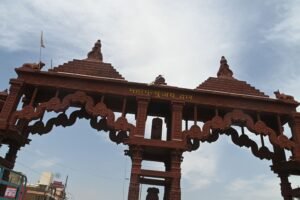
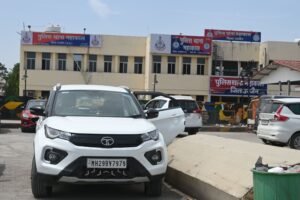
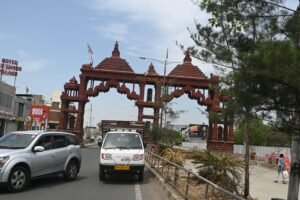
We left Bhopal at 7:00 am for Ujjaian and had breakfast in a cafeteria run by the Madhya Pradesh State Tourism Development Corporation (MPSTDC) on the way after driving about two hours. We reached Mahakaleshwar temple by 11:30 am. We were told that camera and mobile were not allowed inside the temple, hence we dropped all these in the vehicle and joined the queue. After reaching the temple, we could find that there was no restriction and people were lavishly taking their selfies as well as photographs of the idol. I felt disappointed for not having my camera with me. Temple site is in bad shape because of renovation work and construction of corridor. When we returned in the parking lot after about an hour, I took one photograph of the police station opposite to parking lot as memory of visiting the Mahakaleshwar temple. I also took the photographs of the entrance gate of the temple while returning as a memory.
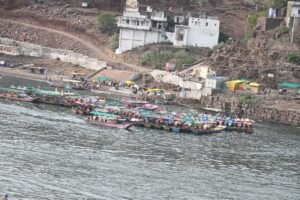
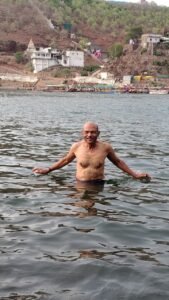
We had lunch in the out-skirts of the Ujjaian city and left at about 3:00 pm for Omkareshwar and reached MPSTDC resort at about 5:30 pm. Hotel was in close proximity to the temple site. After checking in, I went to Narmada river with the driver to take bath. Narmada water was very clean and people were enjoying boating also. I could not resist myself and enjoyed swimming in the river for about 20 min.
31-Mar-2026
We left the hotel at 6:00 am by an Auto Ricksha and reached the temple within 15 min by just crossing a hanging bridge. We joined the queue and could come out after darshan within an hour.
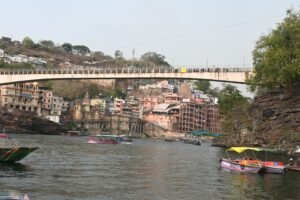
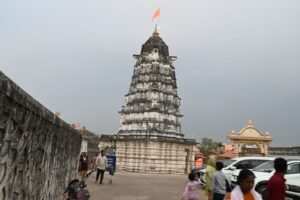
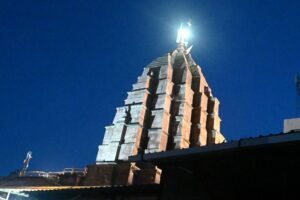
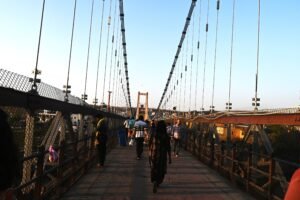
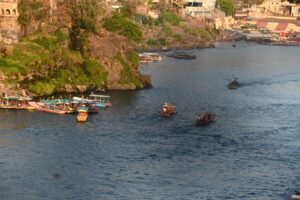
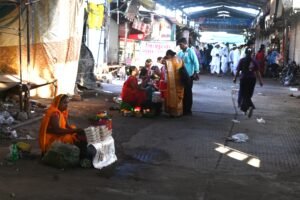
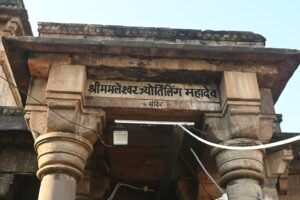
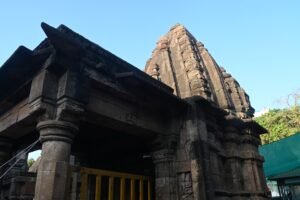
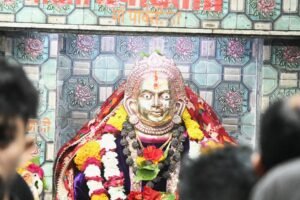
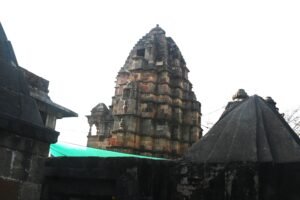
Omkareshwar, one of the 12 Jyotirlingas of Lord Shiva is situated on the Northern bank of Narmada. Devotees visit Omkareshwar throughout the year for darshan, parikrama, and the blessings of Lord Omkareshwar Mahadev. However, many of these devotees miss the visit to Mamleshwar Mahadev Temple which is also known as Amleshwar Mahadev and is a revered Shiva temple located on the southern bank of the Narmada River. These two temples are considered as twin Jyotirlingas. It is believed that one should visit Omkareshwar Temple for darshan (दर्शन ) and Mamleshwar Temple for offering prasad (प्रसाद ) then only visit to this Jyotirlinga of Lord Shiva is completed.
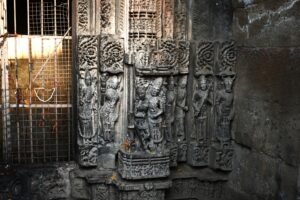
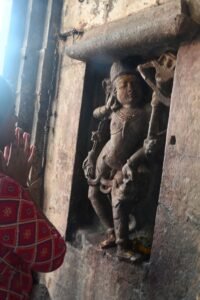
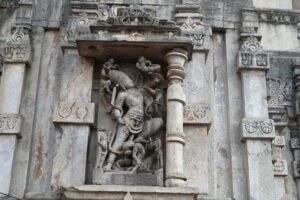
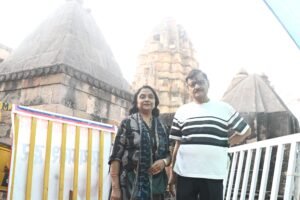
After finishing Omkareshwar visit we went to Mamaleshwar which was not crowded at all. The temple is having more sculptures. We finished the temple parikrama and Darshan within 40-45 min. After that we returned to the hotel and had our breakfast before leaving for Maheshwar at 10:00 am.
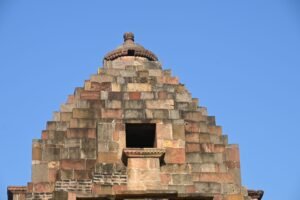
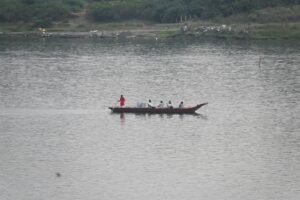
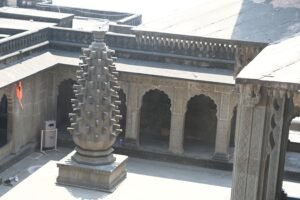
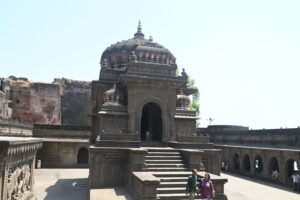
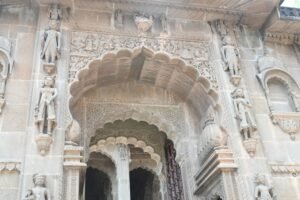
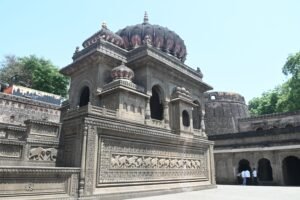
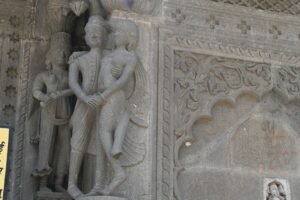
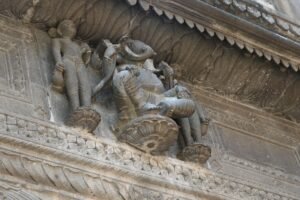
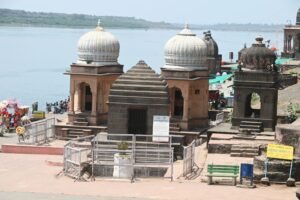
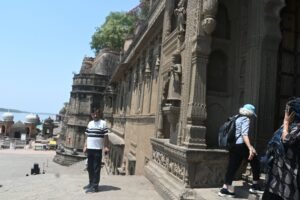
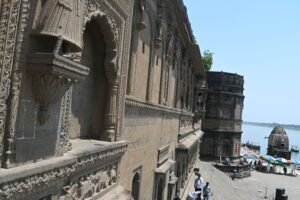
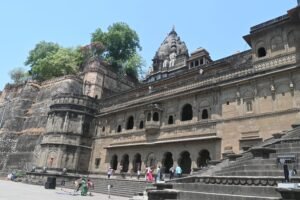
We reached Maharaniani Ahalya Bai Museum by 12:00 noon and went down the history to knowing courageous struggle and work of Maharani for women empowerment in that suppressive social environment. Her administrative abilities and diplomatic wisdom in ruling were depicted in the form of paintings with full details. From there we went to the
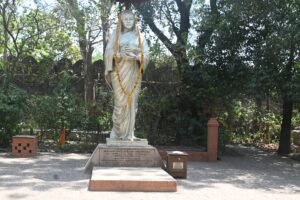
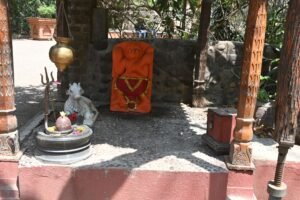
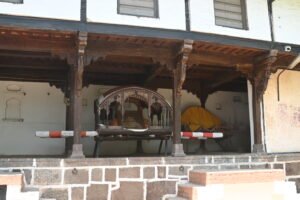
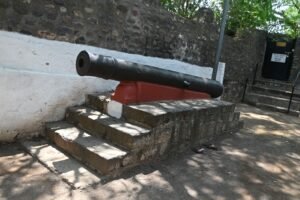
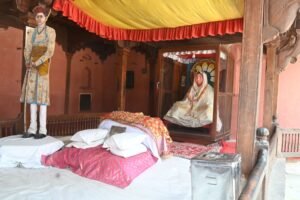
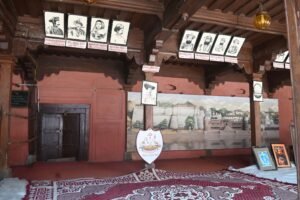
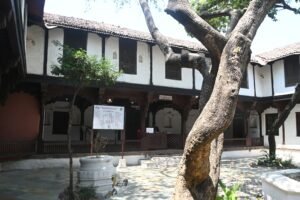
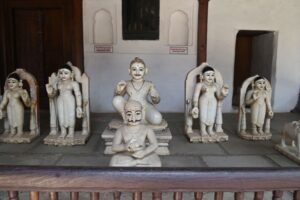
FORT area
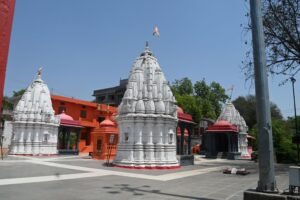
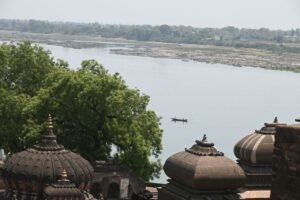
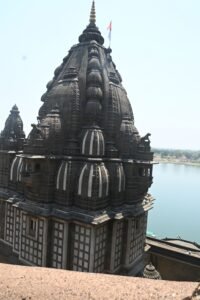
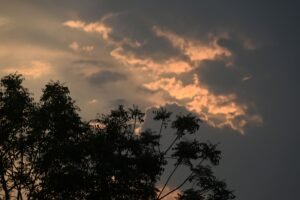
NARMADA Aarati
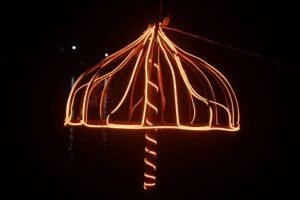
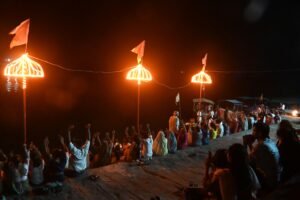
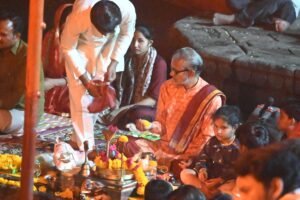
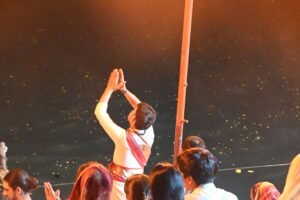
fort and river front. After completing it, we went to the MPSTDC Hotel resort for night halt. Since the room was not ready, we had our lunch in their cafeteria and there after settled in our cottages. In the evening we went to the river front for Narmada Aarti and returned to the resort by 8:30 pm.
1-Apr-2026
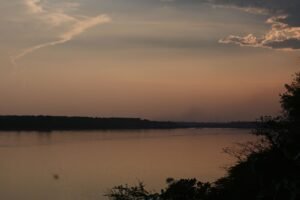
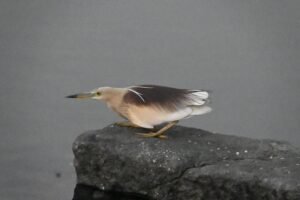
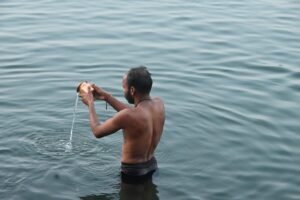
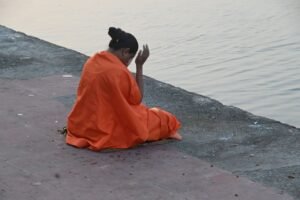
I got up early morning and went to Narmada ghat close to the resort for taking bath and photography. After taking bath, I spent about an hour in the ghat, took some photographs of birds, changing colour of sky at sunrise, meditating women along the river front, bath of the local people, etc. and returned to the resort for getting ready for departure. We had breakfast and left the resort at 9:00 am. We reached back Bhopal by 4:30 pm with a lunchbreak at Dodi Highway retreat of MP tourism with great satisfaction.
Morning in Narmada river ghat

On our way Back
Jai Bharat!
Satyabrata Maiti
Acknowledgement:
- Sangit Kumar and Mrs Rita Kumar for accompanying me in the trip as well as making stay arrangements.
- Online literatures about the places


