

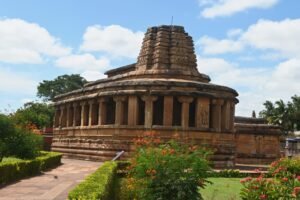
Photo copyright © Satyabrata Maiti
DISCLAIMER: My intention is to show the readers about our monumental efforts of the kings doing experiments and to conserve the heritage blending architecture, history, and natural beauty that we are supposed to inherit. But unfortunately, it was destroyed by the Mughals invasion. My effort is to encourage people to visit the site in witnessing this beautiful heritage and appreciate the art work of the artisans of our ancient India . Photos, that I am presenting here are not even 10% of what I captured for the limitation of space in a blog. It was a herculean task for me to restrict the number with great dis-satisfaction of missing many.
On 22-Jun-2026, after having breakfast in the hotel, I started from Badami at 9:00 am by Auto Rickshaw to visit Aihole which was about 35 km away on the same route that goes to Pattadakal and about 10 km from Pattadakal .
Aihole is often called the “Cradle of Indian Temple Architecture which is located on the banks of the Malaprabha River in northern Karnataka.” This historic town, dating back to the 6th century CE, was a major center of experimentation with different architecture and art formats by the Early Chalukyas, which later spread across India. For travellers, Aihole offers a fascinating journey into the origin of the vast temple designs existing in India.
Historical Importance
Aihole served as a laboratory of architecture during the Chalukya period. More than 120 to 125 temples are scattered across Aihole and its surroundings, showcasing a vast varieties of styles—from simple shrines to elaborate complexes. This diversity makes Aihole a living textbook of temple evolution.
Some of the Architectural Highlights
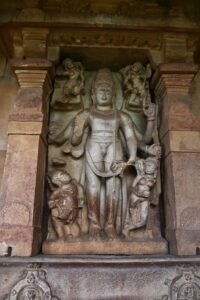
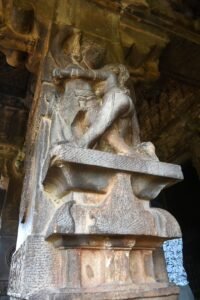
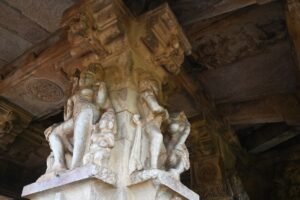
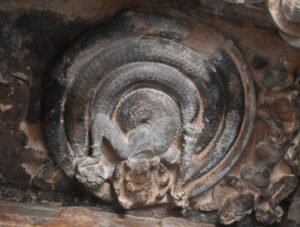
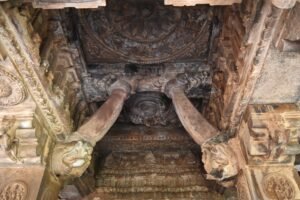
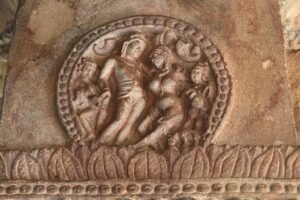
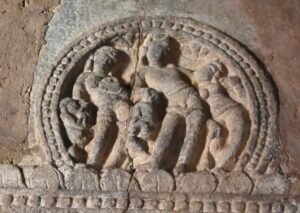
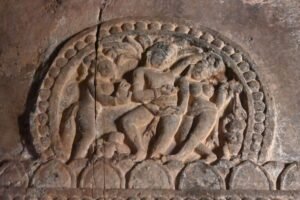
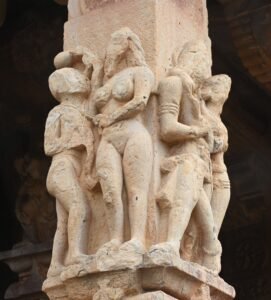
- Durga Temple: The most famous monument, built in a unique apsidal (semi-circular) shape resembling a Buddhist chaitya hall. “Durga” derives from Durgadagudi (fortress temple in Kannada), due to its fortified lookout built atop. It was constructed in the 13th century. Its carvings depict scenes from epics like the Ramayana and Mahabharata.
Carvings in the temple
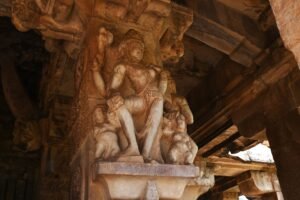
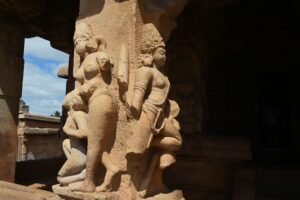
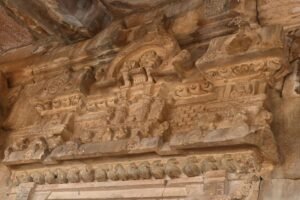
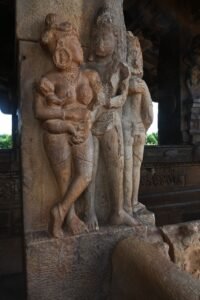
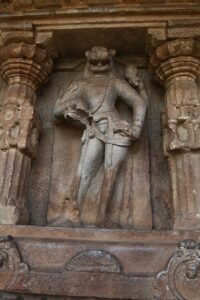
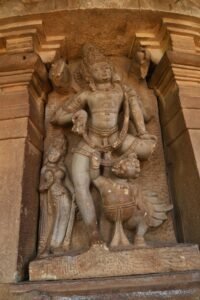
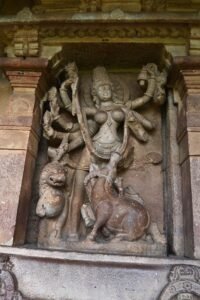
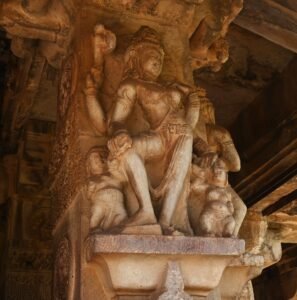
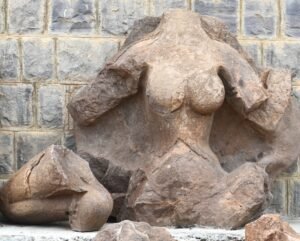
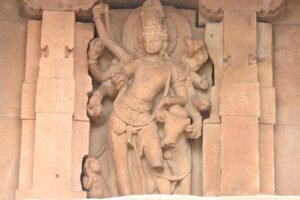
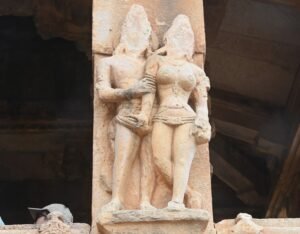
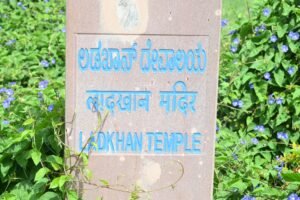
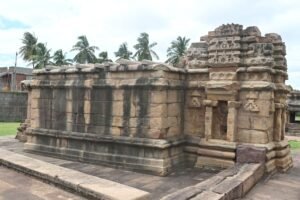
- Lad Khan Temple: One of the oldest temples, originally a royal assembly hall, later converted into a shrine. It is one of the oldest surviving Hindu stone temples in India, dating around the 5th century CE under the Early Chalukyas. Originally dedicated to Vishnu, it was later converted into a Shaiva shrine housing a Shiva Linga and Nandi. Its design reflects early experiments in stone architecture inspired by wooden prototypes.
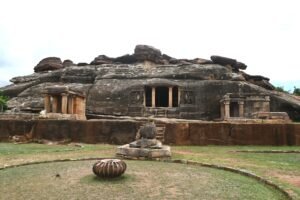
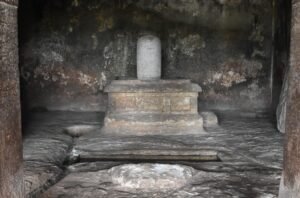
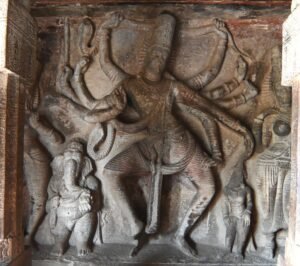
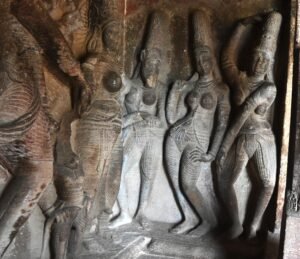
- Ravana Phadi Cave Temple: A rock-cut temple, entirely carved into a sandstone hillock, unlike the free-standing temples, with striking sculptures of deities and mythological figures. This Cave Temple is one of the earliest rock-cut temples in Karnataka, dating to the 6th century CE under the Early Chalukyas. It is dedicated to Lord Shiva and represents a transitional phase between Buddhist-style cave sanctuaries and fully developed Hindu temples.
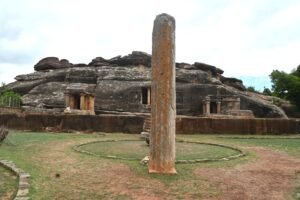
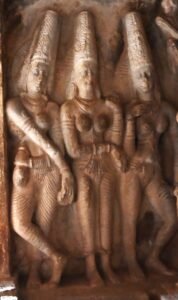
- Meguti Jain Temple: The Meguti Jain Temple at Aihole is a remarkable monument built in 634 CE, notable for being the only dated temple in Aihole and for its connection to Jainism and early Indian epigraphy. Built on a hill, it contains inscriptions that provide valuable historical records of the Chalukyas. It contains the famous Aihole inscription of Ravikirti, court poet of Chalukya king Pulakeshin II. This inscription records Pulakeshin’s victories, including his triumph over Harsha of Kannauj.
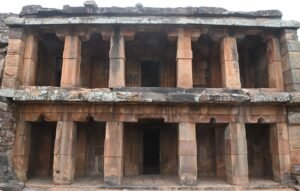
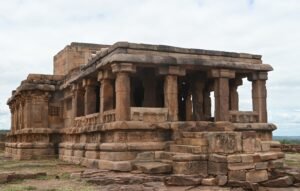
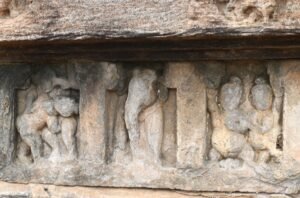
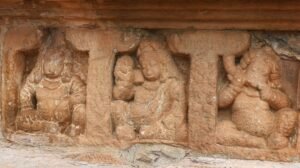
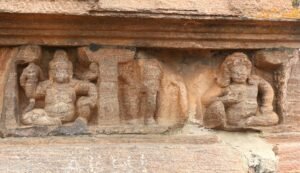
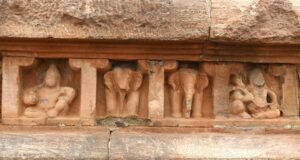
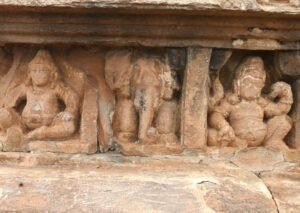
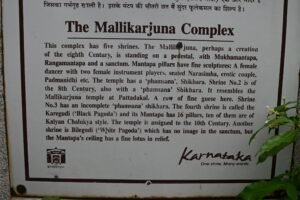
- Malikarjuna Complex: The complex has five shrines perhaps created in eighth century. Mantapa pillars have five sculptures.
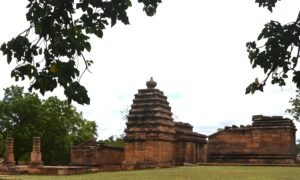
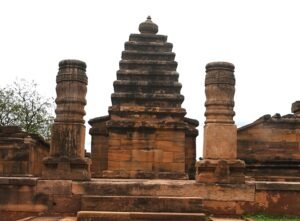
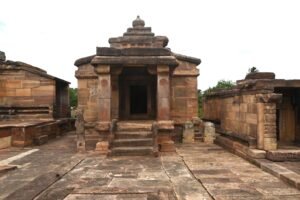
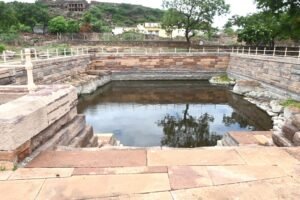
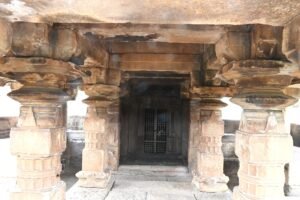
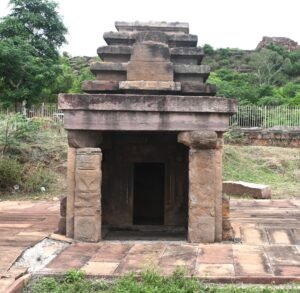
- Cluster of Temples: Aihole’s landscape is dotted with shrines dedicated to Vishnu, Shiva, Durga, and Jain Tirthankaras, reflecting religious harmony. The ASI is only maintaining a handful of temples and majority of temples are remained uncared. I could see in some of the temples villagers using the temple premises.
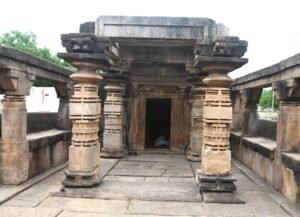
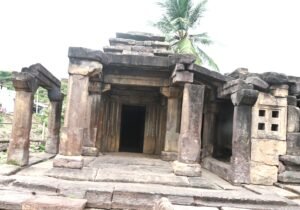
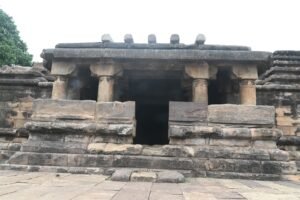
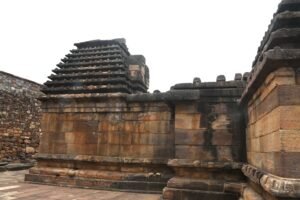
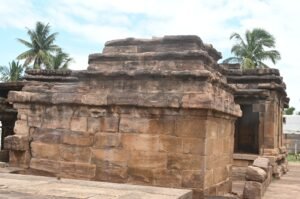
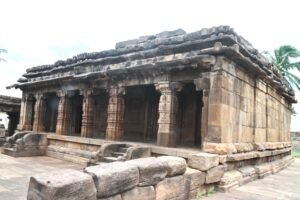
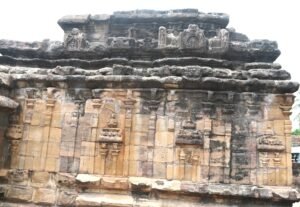
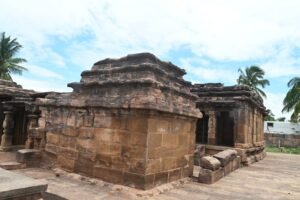
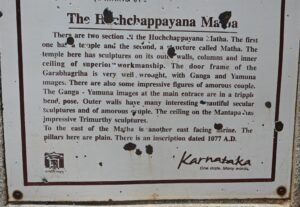
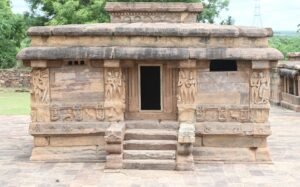
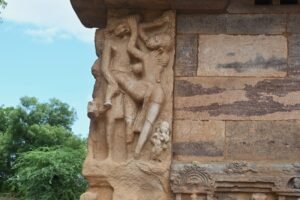
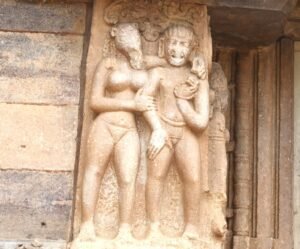
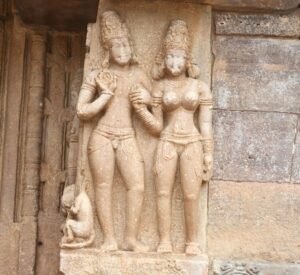
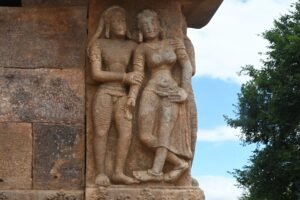
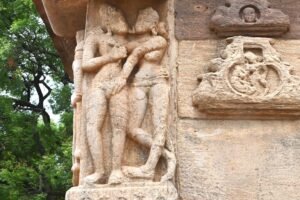
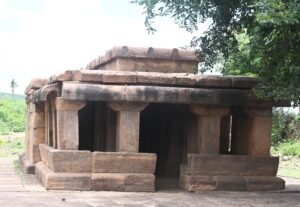
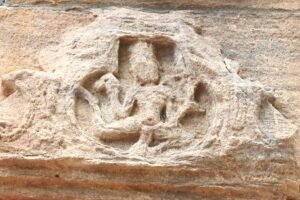
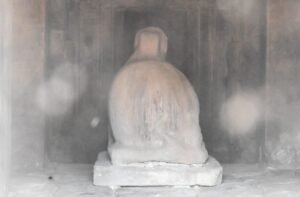
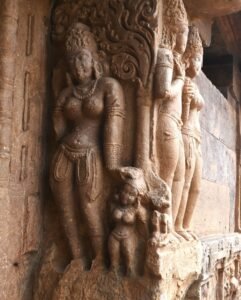
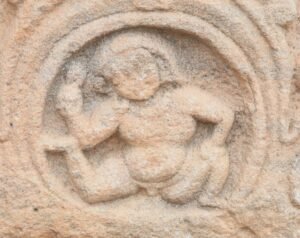
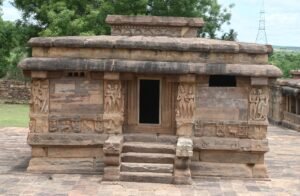
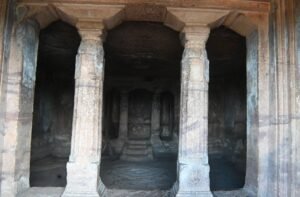
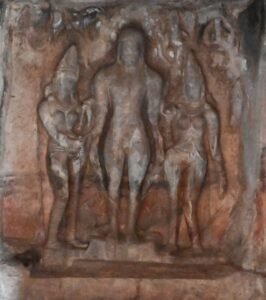
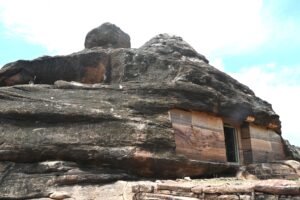
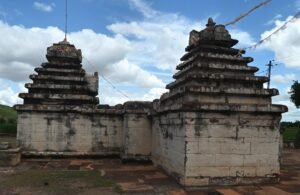
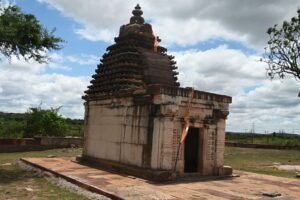
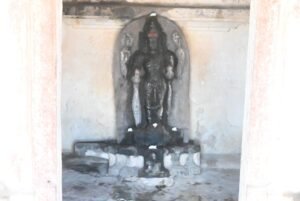
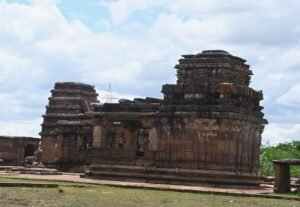
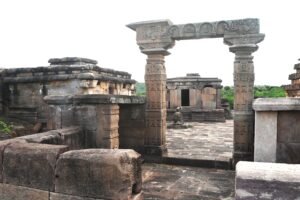
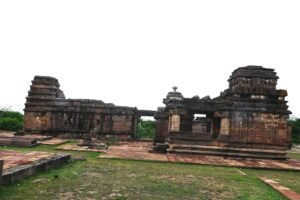
While walking through Aihole I felt like stepping into an open-air museum. The temples are surrounded by village life, with children playing and farmers working nearby, creating a unique blend of past and present. The Malaprabha River adds serenity to the setting.
Conclusion
It was not just a destination—it was a journey into the origins of sacred architecture. Its temples stand as silent storytellers of India’s artistic evolution, offering a chance to see how experimentation led to masterpieces.
After exploring the Aihole temple complex and nearby village temples, I relaxed by taking a dip and swimming for some time in the Malaprabha river and then geared up for a long wait at Badami station, as my train was set to depart at 10:45 pm.
My visit to Badami along with Pattadakal and Aihole completed the heritage triangle that defines Karnataka’s glorious past and I returned with a feeling of what Kabiguri Rabindranath wrote in one of his poem.
“বিপুলা এ পৃথিবীর কতটুকু জানি।
দেশে দেশে কত-না নগর রাজধানী—
মানুষের কত কীর্তি, কত নদী গিরি সিন্ধু মরু,
কত-না অজানা জীব, কত-না অপরিচিত তরু
রয়ে গেল অগোচরে।“
(Meaning: “How much do I know of this vast earth? In country after country, how many cities and capitals—how many human achievements, how many rivers, hills, oceans and deserts, how many unknown creatures, and how many unfamiliar trees have remained out of sight).
Jai Bharat!
Satyabrata Maiti

Acknowledgement
My sincere thanks to:
- S. R. Bhat for his very useful and timely suggestion.
- Nazeer for not only taking me in various places but also coming forward to show me out of the track temples.
- Geetha, K. A. for going through the manuscript and offering some very useful suggestions.
References
- Wikipedia
- Online information sources


